Betting Your Life? When the Game Takes Over
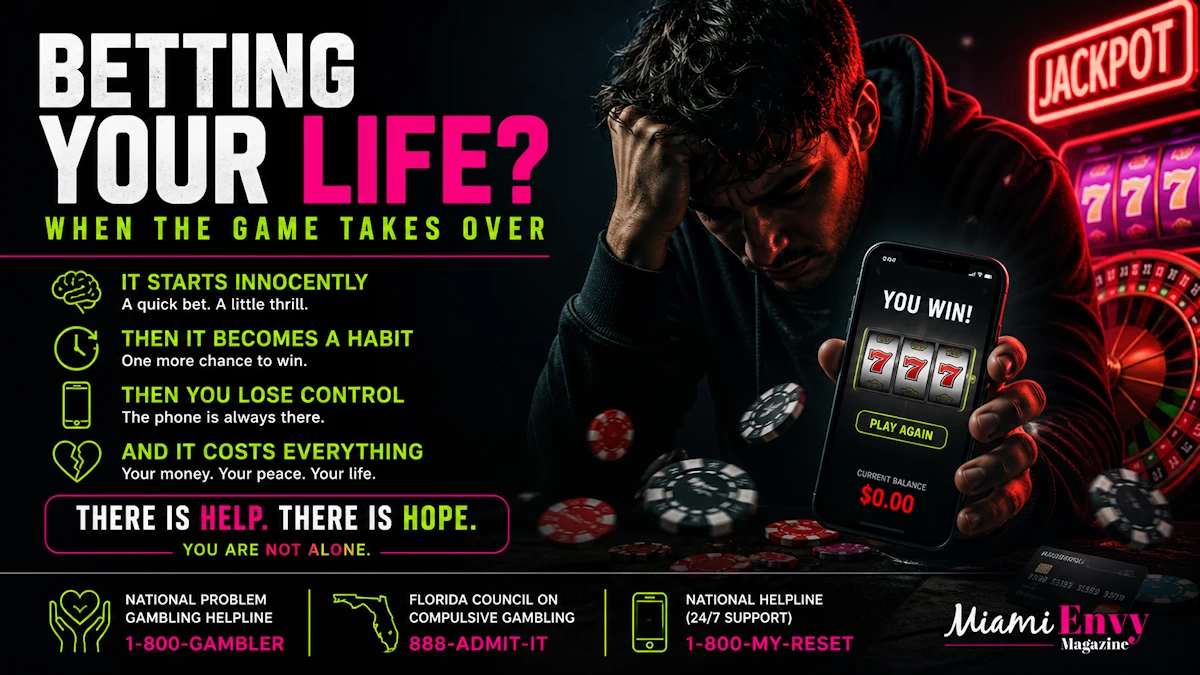
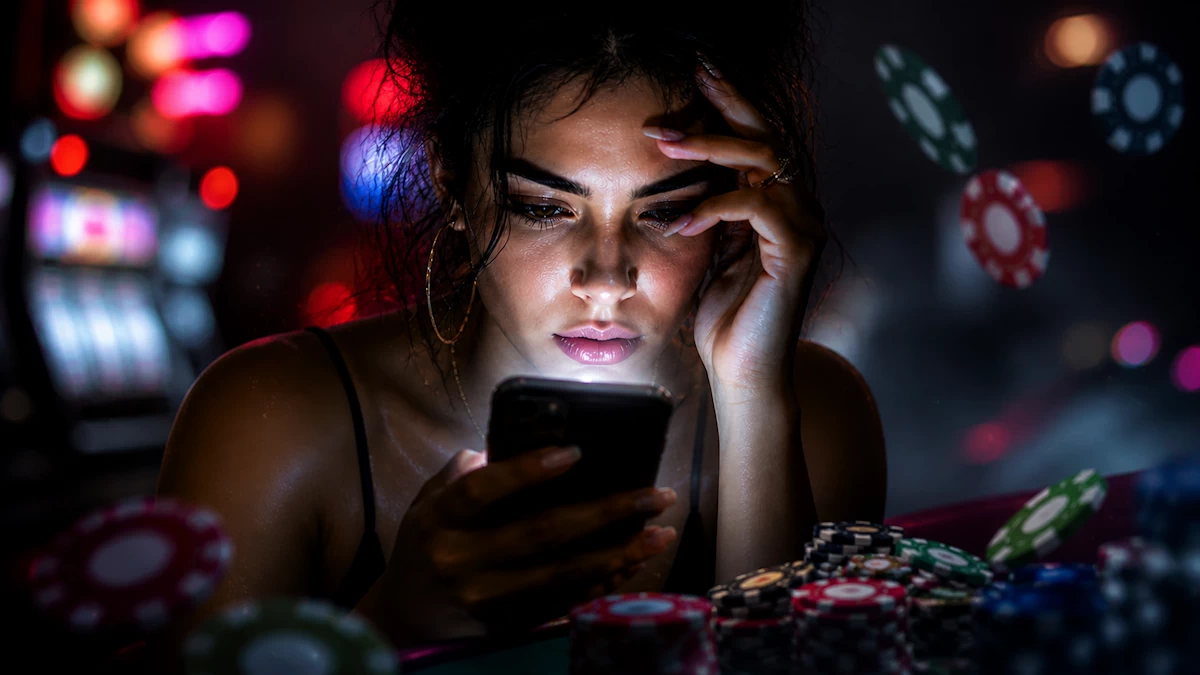
It starts as entertainment. A quick bet. A little thrill. One more chance to win. Then suddenly, the phone is always there — glowing in the dark, whispering, “Try again.”
Gambling addiction does not always look dramatic at first. It can look like someone sitting quietly with a phone in their hand. It can look like a person checking scores at dinner, placing bets at midnight, chasing losses before work, or telling themselves, “I can stop after this one.” The danger is not only the money lost. It is the slow way gambling can steal peace, sleep, confidence, relationships, and self-trust.
Fast Money. Fake Value.
The most vulnerable moment is often not when someone is broke — it is when money comes in quickly. A win can feel like proof. It can feel like power. It can feel like destiny.
But fast money can trick the mind. The brain remembers the rush and forgets the risk. It starts chasing the feeling, not the truth.
24/7 Access. No Off Switch.
Old-school gambling required a location. Mobile gambling follows people into bed, bathrooms, lunch breaks, family time, and lonely nights.
That constant access changes the game. When temptation fits in your hand, discipline becomes harder — especially during stress, sadness, boredom, or financial pressure.
It’s Not Just a Game Anymore.
When gambling becomes the place you go to escape, prove yourself, feel powerful, or fix yesterday’s loss — it is no longer entertainment. It is emotional survival wearing the mask of a game.
The Psychology of “One More Bet”
Gambling is powerful because it plays with uncertainty. The brain does not only react to winning — it reacts to the possibility of winning. That “maybe this time” feeling can become addictive.
The near-miss, the almost-win, the bonus round, the flashing lights, the sound effects, the instant deposit — all of it is designed to keep the mind engaged and emotionally hooked.
Why Losing Can Pull You In Deeper
Most people think winning creates the addiction. Often, losing strengthens it. The mind starts bargaining: “I just need to win back what I lost.”
That is the trap. The goal shifts from fun to repair. Then from repair to desperation. Then from desperation to secrecy.
Watch the Secrecy
If you are hiding bets, deleting apps, lying about money, or avoiding conversations, the game may already have more control than you want to admit.
Check the Emotion
Are you gambling for fun — or to escape anxiety, loneliness, anger, sadness, or pressure? The reason behind the bet matters.
Stop Chasing Losses
Chasing losses is one of the most dangerous cycles. The money already lost becomes emotional fuel for the next risky decision.
Create Friction
Delete apps, block sites, remove saved cards, lower limits, and ask someone trusted to help you protect your access to money.
Tell One Safe Person
Addiction grows in silence. The first honest conversation can break the illusion that you have to handle this alone.
Get Support Early
You do not need to hit rock bottom to ask for help. The earlier you interrupt the cycle, the more you can protect your future.
The win feels loud, but the loss gets quiet — until it starts showing up in your sleep, your mood, your money, and your relationships.
Miami, Florida & the New Gambling Reality
In a city built on nightlife, luxury, risk, and fast energy, Miami can make everything feel like a game. But the real danger today is not only casino floors — it is the mobile phone.
When betting becomes part of daily life, it can blur the line between entertainment and emotional dependence. That is why awareness matters.
The Deeper Truth
For many people, gambling is not really about greed. It can be about hope, pressure, escape, trauma, loneliness, or the need to feel in control.
Healing begins when you stop asking, “Why can’t I just stop?” and start asking, “What pain or pressure am I trying to outrun?”
There Is Help. There Is Hope.
If gambling is causing stress, secrecy, money problems, relationship conflict, anxiety, or thoughts of self-harm, reach out now. In Florida, confidential help is available through 888-ADMIT-IT. National problem gambling support is available at 1-800-MY-RESET. If you are in emotional crisis or feel unsafe, call or text 988.
You are not weak. You are not alone. And this does not have to be the chapter that defines you.
American Psychiatric Association – Gambling Disorder
https://www.psychiatry.org/patients-families/gambling-disorder/what-is-gambling-disorder
National Council on Problem Gambling
https://www.ncpgambling.org
Florida Council on Compulsive Gambling (888-ADMIT-IT)
https://gamblinghelp.org
National Problem Gambling Helpline (1-800-GAMBLER / 1-800-MY-RESET)