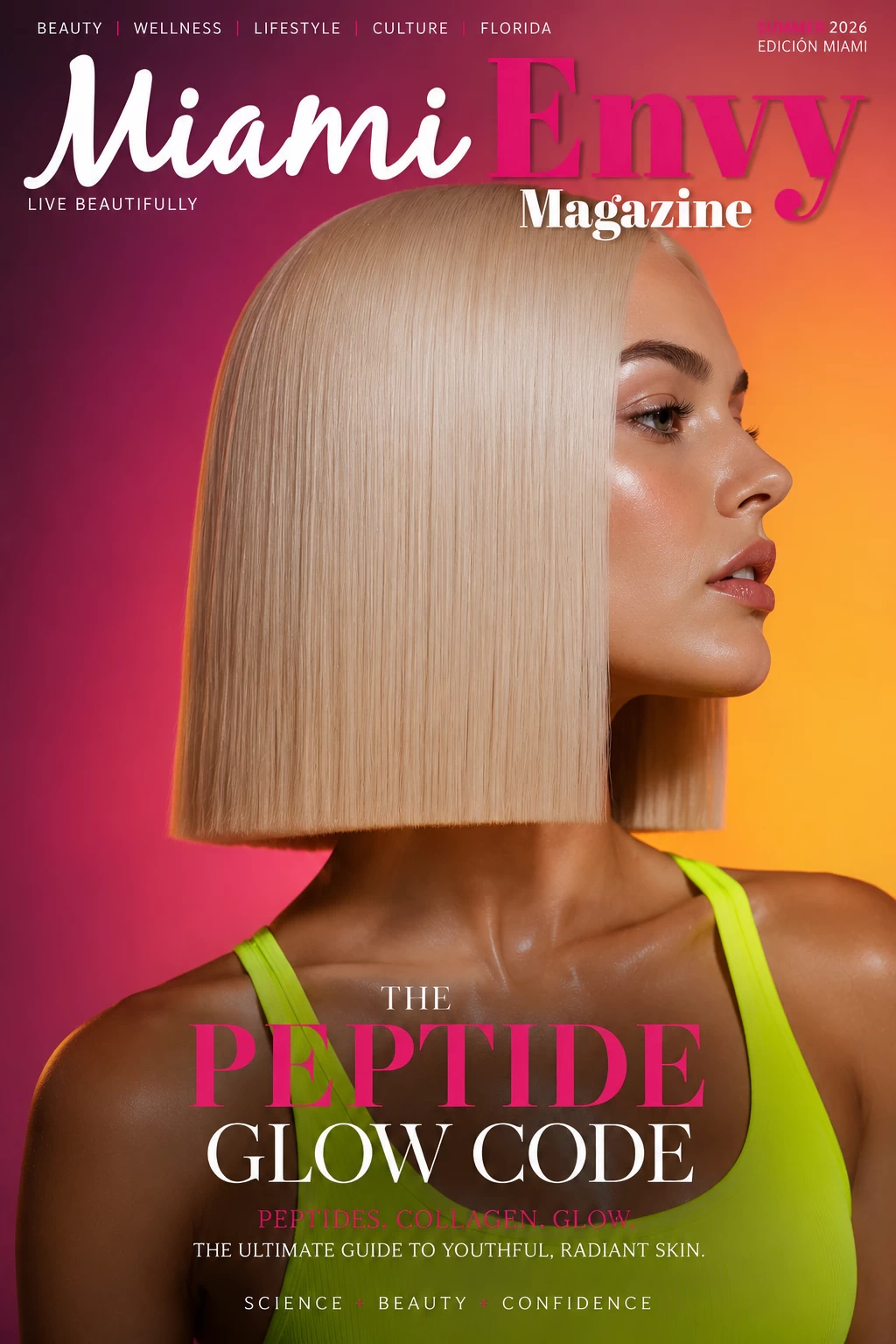

The Peptide Glow Code
The luxury skincare ingredients, injectables, collagen trends, and GLP-1 conversations reshaping beauty, wellness, and youthful skin in 2026.
Why Everyone Suddenly Knows the Word “Peptides”
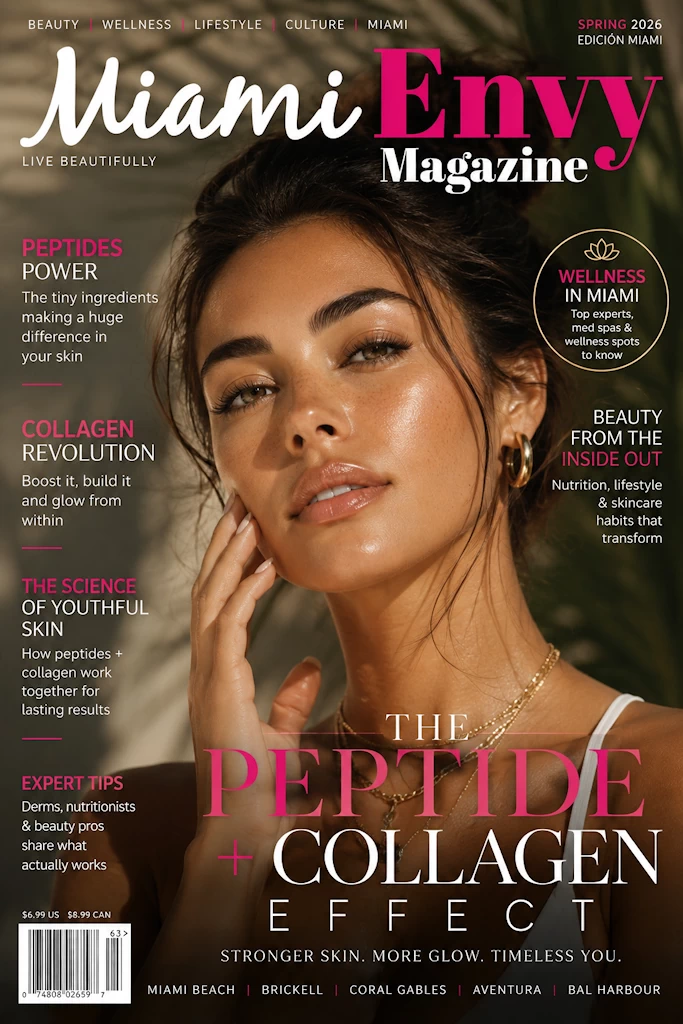
From luxury serums and collagen creams to injectables, wellness clinics, and viral anti-aging conversations, peptides became one of the most talked-about beauty and longevity trends in the world. But behind the hype is a growing conversation about skin quality, aging gracefully, preventative wellness, and what actually works.
The New Era of Beauty Is About Optimization
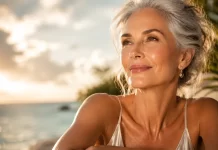
The beauty industry has shifted dramatically. People are no longer only chasing coverage makeup, dramatic contouring, or temporary glow tricks. The new luxury beauty standard focuses on skin quality, collagen support, hydration, texture, elasticity, and overall wellness.
That shift is exactly why peptides exploded in popularity. They sound futuristic, luxurious, and scientific at the same time. They appear inside creams, serums, wellness conversations, and aesthetic clinics everywhere from Miami Beach to Beverly Hills.
But peptides are not magic. They are ingredients and compounds used in different ways depending on the formula, treatment, and medical purpose.
The future of beauty is not covering the skin. It is upgrading it.
What Are Peptides?
Peptides are short chains of amino acids that help form proteins in the body. Different peptides are associated with different functions. In skincare, peptides are commonly used in formulas designed to support hydration, firmness, elasticity, and smoother-looking skin.
You will now find peptides inside luxury creams, collagen serums, eye treatments, masks, injectables, wellness clinics, and anti-aging routines marketed toward both women and men.
The reason peptides became so popular is because they fit perfectly into the modern beauty movement: healthier-looking skin, preventative care, and long-term glow instead of only temporary cosmetic coverage.
The Difference Between Creams, Serums & Injectables
One of the biggest misconceptions online is assuming all peptide products work the same way. They do not.
Peptide creams and serums are topical skincare products designed to support the appearance and feel of the skin. Injectables, however, are medical or aesthetic treatments that work differently and should only be discussed with qualified licensed professionals.
That distinction matters because social media often blends luxury skincare, anti-aging treatments, wellness injections, and medical procedures into one giant trend conversation.
Peptide Creams
Often marketed for hydration, smoother-looking skin, and supporting firmness within a daily skincare routine.
Peptide Serums
Usually lightweight formulas layered under moisturizer and focused on concentrated skincare ingredients.
Injectables
Medical aesthetic treatments that should only be performed or discussed with licensed healthcare providers.
What About GLP-1?
GLP-1 medications became one of the most discussed wellness topics in recent years due to their medical use in diabetes care and weight management under professional supervision. Their growing popularity also sparked conversations around facial volume changes, skin appearance, collagen support, nutrition, and aesthetic maintenance.
As more people began rapid weight-loss journeys, the beauty industry responded with collagen products, peptide serums, hydration therapies, skin-tightening conversations, and wellness routines designed to help support overall appearance during physical transformation.
The important thing to remember is that medications, injectables, and wellness treatments should never be approached casually because trends online can oversimplify complex medical topics.
FDA Approval: What People Need to Understand
- Not all peptide products are FDA approved: Some skincare products are considered cosmetics and are not individually FDA approved.
- Certain medications and injectables may have FDA approval for specific uses: Always verify through licensed medical professionals or official FDA resources.
- Marketing language can be confusing: “Clinically inspired” and “medical-grade” do not automatically mean FDA approved.
- Social media is not medical advice: Viral beauty trends can leave out important risks, precautions, or limitations.
- Consult professionals: Dermatologists and qualified healthcare providers should guide treatment decisions.
Why Miami Became Obsessed With “Glass Skin” & Collagen Glow
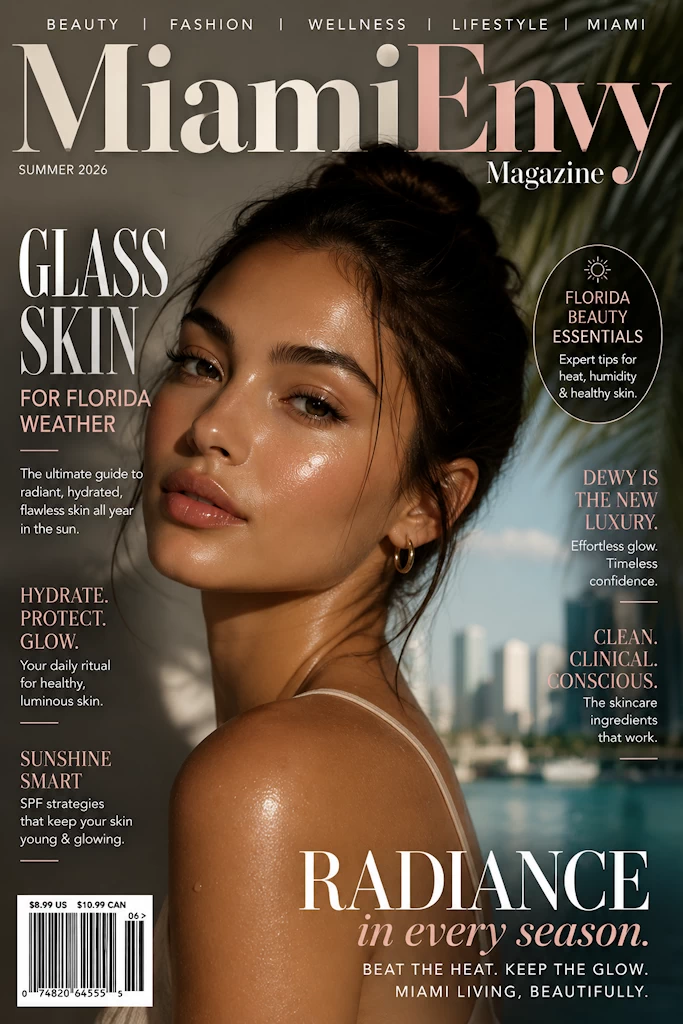
Miami beauty culture has always leaned toward radiant skin, healthy bodies, luxury wellness, and visible confidence. But lately the focus shifted away from heavy makeup toward skin texture, elasticity, hydration, and glow that still looks beautiful in natural sunlight.
That is why peptide skincare, collagen serums, hydration facials, beauty IVs, Korean skincare, wellness clinics, and preventative anti-aging routines became so culturally dominant in South Florida.
People want skin that looks expensive before makeup even begins.
Hydration
Healthy hydrated skin tends to appear smoother, fresher, and more radiant in natural lighting.
Barrier Support
Over-exfoliating and aggressive treatments can sometimes weaken the skin barrier instead of improving it.
Consistency
Most long-term skincare improvements happen gradually through realistic daily habits.
The Precautions Nobody Talks About Enough
Luxury beauty trends often focus heavily on dramatic before-and-after visuals while ignoring the importance of moderation, research, and realistic expectations.
Some skincare products may irritate sensitive skin. Some injectables or wellness treatments may not be appropriate for everyone. Overuse, layering too many active ingredients, or following random social media advice can create more problems instead of better skin.
Good skincare should support the skin, not overwhelm it.
Questions Worth Asking Before Trying New Treatments
- Is this treatment medically appropriate for me?
- Is the provider licensed and reputable?
- What are the realistic expectations?
- What side effects or risks exist?
- How does this interact with existing health conditions or medications?
- Am I following a trend or making an informed decision?
The Rise of “Preventative Beauty”
One of the biggest beauty shifts happening right now is preventative skincare. Younger generations are starting anti-aging routines earlier, focusing on sunscreen, hydration, collagen support, peptide products, wellness habits, and healthier lifestyle choices before deeper aging signs appear.
That preventative mindset is why peptide conversations continue growing online. They represent the idea of maintenance instead of correction.
SPF First
Sun protection remains one of the most important long-term skin habits regardless of trends.
Nutrition Matters
Hydration, sleep, stress, and nutrition all influence how skin looks and feels over time.
Wellness + Beauty
The future of beauty increasingly overlaps with longevity, wellness, and lifestyle conversations.
The Marketing vs The Reality
The skincare world moves fast because beauty sells aspiration. A luxurious bottle, a glowing influencer, a celebrity facial, or a viral wellness clinic can make products feel revolutionary overnight.
But healthy skin rarely comes from one miracle ingredient alone. It usually comes from balanced habits, realistic routines, consistency, sun protection, stress management, hydration, and smart skincare choices.
The smartest beauty consumers learn how to separate luxury branding from realistic expectations.
The Miami Envy Perspective
Peptides became a beauty obsession because they represent something bigger than skincare alone. They represent the modern desire to feel healthier, fresher, more energized, more radiant, and more in control of aging.
Whether someone chooses luxury creams, collagen-focused skincare, professional treatments, injectables, or simply a better daily routine, the most powerful beauty trend of all may actually be awareness — understanding what you are using, why you are using it, and how to approach beauty intelligently instead of impulsively.
Because the real glow people notice most is not perfection. It is vitality.