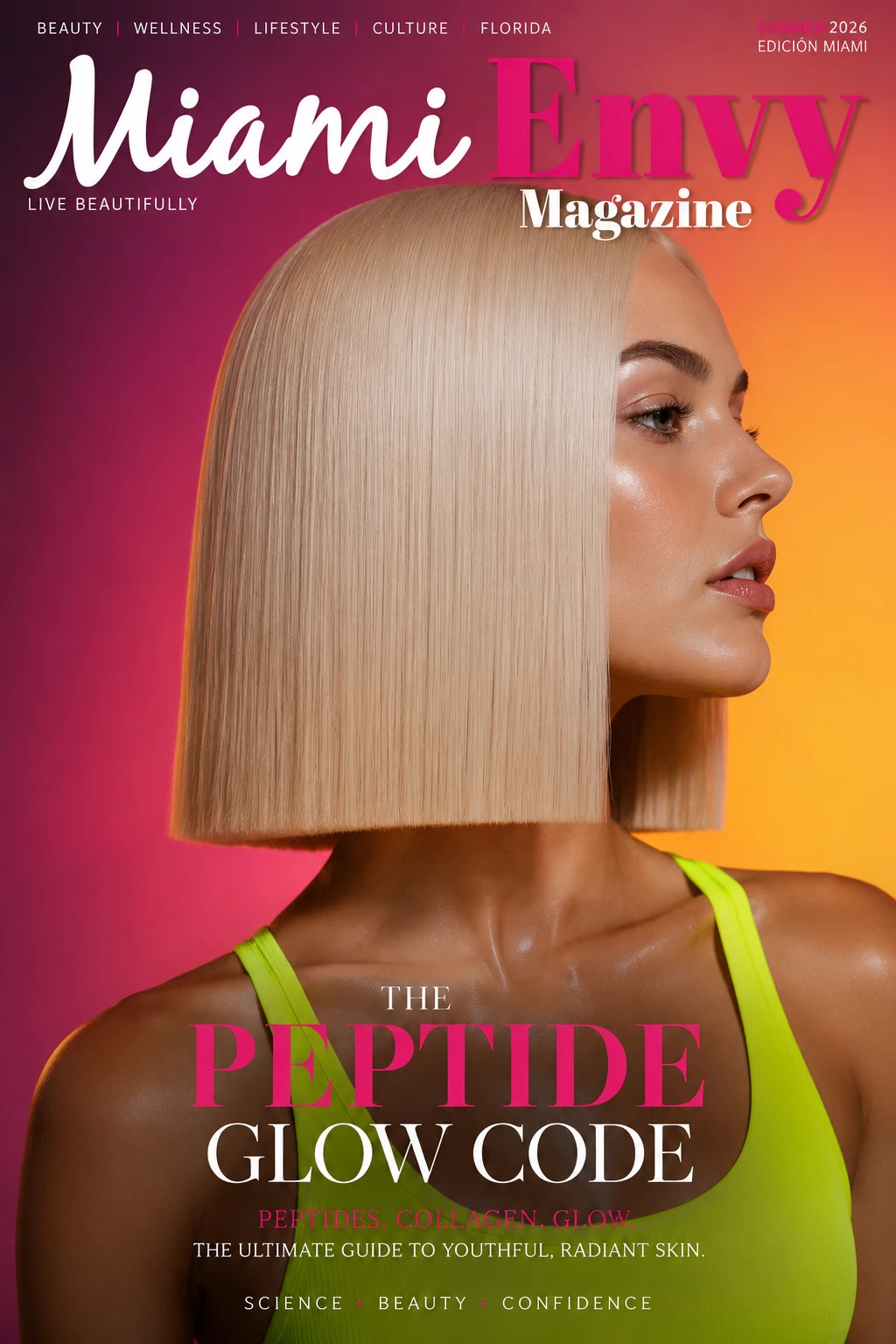
The Peptide
Glow Code.
Beautiful skin. Better questions. A fresh look at peptide skincare—and what deserves a place beyond the hype.
Explore the Story ↘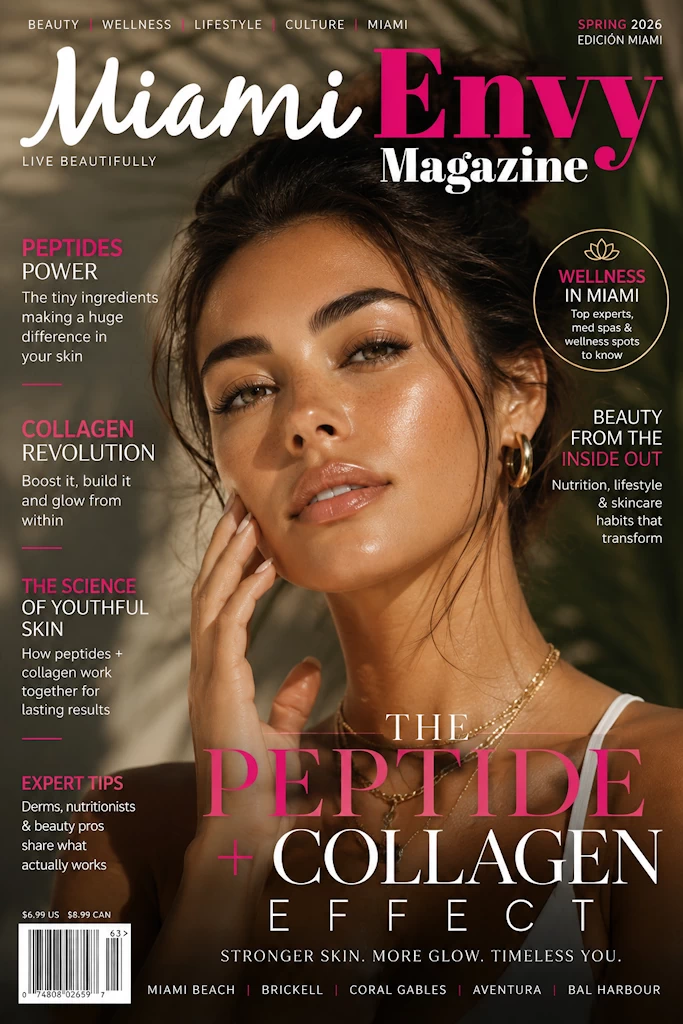
The ingredient is interesting.
Your skin comes first.
A luminous complexion has become its own style statement. Yet ingredient lists, elaborate routines, and clinic promises can make skincare feel more complicated than it needs to be.
Peptides appear in serums, moisturizers, and eye creams, frequently alongside claims about smoother-looking or firmer-looking skin. The name alone, however, does not tell you what a finished product can deliver.
The better question: does this formula suit your skin, have evidence behind its claims, and fit into a routine you can maintain?
Peptides, simply explained: short chains of amino acids. They represent a broad family of compounds, rather than one ingredient with one guaranteed result.
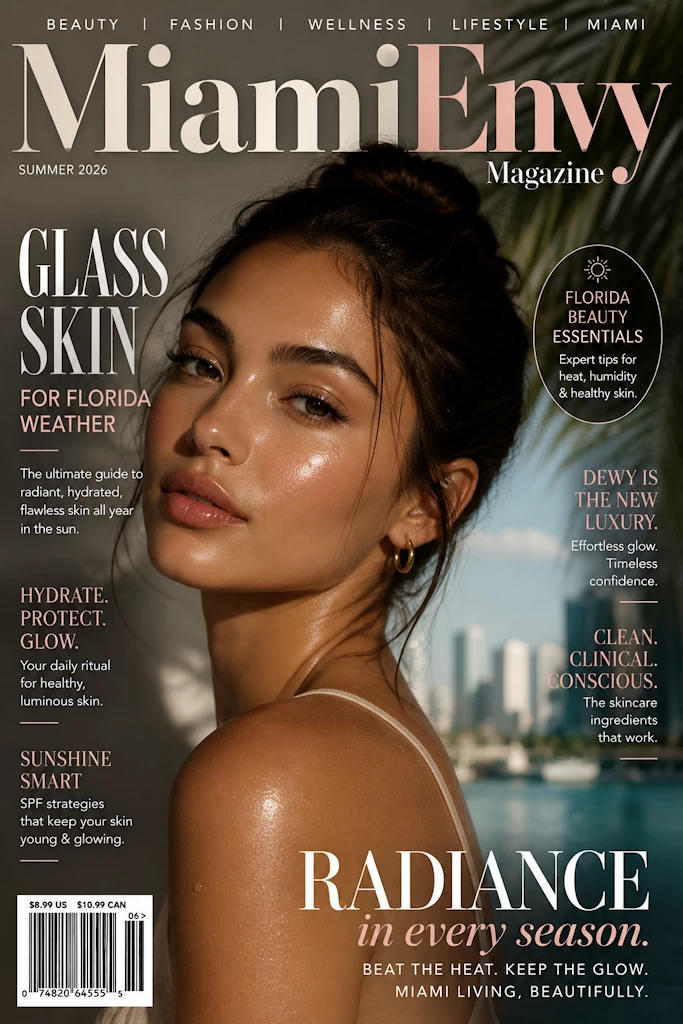
What matters
beneath the label.
A peptide serum and a peptide cream may feel completely different. Texture, surrounding ingredients, packaging, and the overall formulation all play a role.
An ingredient study does not automatically prove the claims of every product containing that ingredient. Look for evidence relevant to the finished formula and the results being advertised.
A luxurious bottle can make the ritual more enjoyable. It cannot establish that a product is more effective—or more appropriate for your skin.
If you have sensitive skin or use prescription skincare, a dermatologist can help you decide what belongs in your routine.
Let the packaging be beautiful.
Let your expectations be informed.
A serum is not
an injectable.
A shared ingredient term does not make cosmetic skincare and prescription medicine interchangeable. The exact product and its intended use matter.
Serums
Often lightweight formulas applied to the skin. Their purpose, directions, and supporting evidence depend on the individual product.
Moisturizers
Peptides may appear alongside moisturizing ingredients. Choose the complete formula for your skin’s needs, rather than one highlighted ingredient.
Medical treatments
Prescription medicines and injectable compounds require a separate assessment. Cosmetic claims do not establish an injectable product’s safety or approval status.
Radiance.
With room for reality.
Miami’s beauty language is expressive: light, color, confidence, and a little drama. Your skincare does not have to match that energy by becoming more complicated.
Choose textures that feel comfortable in your everyday life. Let makeup provide shimmer when you want it. Allow real skin to have texture.
Peptides can be part of the conversation without becoming the answer to every concern. A considered routine reflects your skin, your budget, and realistic expectations.
GLP-1 medicines belong in a separate medical discussion. Their connection to the wider peptide conversation does not make them cosmetic treatments or establish that a skincare serum can address medication-related changes. Discuss those concerns with your treating clinician.

A little consistency.
A lot less complication.
Before adding another beautiful bottle, consider whether your everyday essentials are working for you.
Protect
The American Academy of Dermatology recommends broad-spectrum, water-resistant sunscreen with SPF 30 or higher, alongside shade and protective clothing. Reapply every two hours outdoors and after swimming or sweating.
Moisturize
Choose a moisturizer suited to your skin type. A comfortable texture you enjoy using is more useful than an impressive ingredient list that does not suit you.
Be selective
Follow product directions and avoid introducing several unfamiliar products together. Persistent irritation or a specific concern deserves an individual assessment from a dermatologist.
Good questions.
Clearer choices.
Does a more expensive peptide product work better?
Price alone cannot tell you how well a product will suit your skin. Consider the finished formula, evidence behind its claims, directions, and your individual needs.
Can a peptide serum replace sunscreen?
No. A peptide claim does not provide a sunscreen rating. Use a product labeled for broad-spectrum sun protection with SPF 30 or higher, and follow its directions.
Are all products called “peptides” the same?
No. The term covers different compounds and uses. Cosmetic products, prescription medicines, and injectable compounds should not be treated as one interchangeable category.
What should I ask before a medical treatment?
Ask for the exact product name, approval status and intended use, the provider’s qualifications, expected benefits, risks, alternatives, and follow-up arrangements. Share your health history and medications with the treating professional.
What if my skincare keeps irritating my skin?
Do not assume irritation means a product is working. Seek advice from a dermatologist, particularly if symptoms persist or worsen.
Your skin.
Your signature.
This beauty editorial provides general information, not personal medical advice. Consult a qualified healthcare professional about skin conditions, prescription medicines, or medical treatments. Editorial images illustrate the story and do not demonstrate treatment results.
More beauty.
More creative expression.
Continue with our K-beauty feature or discover the imagination behind The Domino Effect.